Saturday, April 27, 2013

一个谎言帝国--二十一世纪的中国 Empire of Lies: The Truth about China in the Twenty-First Century


陈凯 按只有建立在正义、良知与理性的社会才有生命力与创造力。 建筑在枪杆子,暴力、恐惧与谎言的社会一定是一个崇尚虚无与强权的、永远在恶性朝代循环中挣扎煎熬的、毫无生命力与创造力的社会。

Kai Chen's Words:  Only a society built upon justice, human conscience and reason can be a society of life and creativity.  A society such as China which is built upon guns, violence, fear and lies must be a society of despair, misery and death, mired in never-ending man-eating dynastic cycles, with nothing of value to offer to mankind. 

Empire of Lies: The Truth about China in the Twenty-First Century
一个谎言帝国--二十一世纪的中国

The Western press these days is full of stories on China’s arrival as a superpower, some even warning that the future may belong to her. Western political and business delegations stream into Beijing, confident in China’s economy, which continues to grow rapidly. Crowning China’s new status, Beijing will host the 2008 Olympic Games.

But as Guy Sorman reveals in Empire of Lies China’s success is, at least in part, a mirage. True, 200 million of her subjects, those fortunate enough to be working in an expanding global market, enjoy a middle-class standard of living. The remaining one billion, however, are among the poorest, most exploited people in the world. Popular discontent simmers, especially in the countryside, where it often flares into violent confrontation with Communist Party authorities. In truth, China’s economic “miracle” is rotting from within.

In this extraordinary book, Sorman explains how the West has conferred greater legitimacy on China than do the Chinese themselves. He has visited the country regularly for forty years and spent most of the past three years exploring her teeming cities and remotest corners. Empire of Lies is the culmination of these travels and perhaps the only book on China that lets the Chinese people speak for themselves.
------------------------------------------------------------------------------
The mask ripped off, the Potemkin Village blown up June 4, 2008

Format:Hardcover

Economic conservatives and neoliberal "spinners" from James Fallows and Reed Hundt through Bill Clinton (singled out in one passage) are exposed as frauds, liars and enablers for a China of modern myth in this power-packed new book.

French journalist, politician and philosopher (and why can't we get that combo in America), exposes the lies of both the Chinese Communist Party and its Western apologists, which range from hardcore economic conservative American capitalists to French communists.

There's a few basic lies that underscore the scores of surface lies both the Chinese Party and its western enablers tell.

Sorman says Lie No. 1 is that capitalism will lead to democracy. He has a clear, albeit much smaller, counterexample - Singapore, led by, ironically or not, Chinese.

Lie No. 2 is that there is a "Chinese mindset," "Chinese way of business," or whatever, that is antithetical to democracy. Variants of that include references (usually wrong ones, according to Sorman) to Confucianism, etc. Counterexample? Taiwan. Daoism, repressed in China, flourishes there along with Confucianism, Buddhism and Protestant and Catholic Christianity -- along with traditional Chinese culture.

Lie No. 3 is the lie of Chinese economic statistics. Sorman says that even if you don't discount the costs of environmental degradation, Chinese growth rates are almost surely somewhat overstated, and possibly highly overstated.

Lie No. 4 might be a partial variant of No. 2, and would be the "China isn't all that bad" lie, especially if you compare it to the former Soviet Union. Sorman argues the other way around, that China is arguably more repressive than the Soviets of Khrushchev and beyond, at least in some ways.


As a result of all this, Sorman says, we really don't have that much to fear from China as a foreign power in general or a military adventurer in particular. On the economic side, in fact, he expects the rich-poor gap to be likely to worsen, not improve.

Another "sublie" would be the one that Western countries, through "economic involvement" with China, can moderate its behavior. China isn't going to be moderated by that. And, as a sidebar, Sorman estimates that about half the Western-owned factories in China are money-losers.

Read this book and get an unvarnished view of today's China.


Monday, April 15, 2013

Rupert Murdoch's speech to the IPA: Socialism is Immoral and Evil 社会主义是不道德的与败坏的


Rupert Murdoch's speech to the IPA:  Socialism is Immoral and Evil
Rupert Murdoch 演讲: 社会主义是不道德的与败坏的

Monday, April 1, 2013

“东方恶魔”《恶魔毛泽东》视频


陈凯一语 Kai Chen's Words:

中国的人们应该懂得:毛泽东并不是我们的身外之物/之人/之灵。 毛泽东的邪恶之灵是在我们的思维、行为与深层文化状态之中。 清除毛泽东的恶灵应首先从深刻反省我们灵魂与理念中的(个体不负道德责任/永远向往人间救星)文化糟粕开始。

 The Chinese people should understand this very important point: Mao's evil is never outside of us, but inside of us.  It manifests in our thoughts, behaviors and cultural habits. To eradicate Mao's evil, we must start from ourselves, from our souls, ideas and behaviors. We must establish a culture of individual responsibility with a moral compass. We must abandon the pathological urge to seek saviors in others and in government.  

《恶魔毛泽东》

中国的恶魔是毛泽东.

根据歌曲东方红改编,
西诺改词.

 千秋恨,
万世愤.
中国的恶魔是毛泽东.
害死人民八千万,
呼儿嗨哟.
恶贯满盈害人虫.
搞斗争,
比杀人.
敢提意见就没有命.
杀了地主两百万,
呼儿嗨哟.
百万右派进牢门.
说假话,
无人性.
亩产万斤他放卫星.
三年饿死了三千万,
呼儿嗨哟.
人民公社是瘟神.
音乐伴奏.
搞文革,
天下红.
路线斗争他发了疯.
亿万人民受迫害 ,
呼儿嗨哟.
十年动乱害人民.
全民声讨毛泽东,
呼儿嗨哟.
中国才能得光明,
得光明.


陈凯 按: Kai Chen's View:

求真的前提是“信真”。 一个“不信真实”而“只信强权”的文化/社会逻辑地就会是一个“以欺诈为生/为荣/为智”的虚无文化/社会。 这就是为什么基督精神中的精髓 - 求真/信真必须成为中国未来社会的主导。 英文语言是“求真”的必要工具。

To seek truth, one must first believe that there is "truth". Faith in truth and justice becomes prerequisite for a "truth seeking" society. Logically, a nihilistic society that does not have faith in truth and justice will take deception as the ultimate wisdom. That is why Christian value of "Only truth shall set you free" must be first established in a post-communist China. And English language must be the tool in such a "truth seeking" culture/society.


西方的智慧是求真,中国的智慧是欺诈
West vs. Chinese = Truth vs. Falsehood


作者: 许锡良

星期一, 04/01/2013 - 14:51

法国启蒙思想家孟德斯鸠曾经说过,中国人是世界上最会骗人的民族,要探究清楚这一原因,除了他已经说过中国专制皇权文化所衍生出来的专制制度的荒唐之外,还有思维方式上的原因。一种文化的核心部位其实就是两个方面,一是价值观,二是思维方式。价值观与思维方式决定了文化中的其他部分,包括制度的建立。不同文化观念的人,即使所建立的建筑也会体现其文化的精神。比如,中国的建筑特点就是要求左右对称,屋檐常常是勾心斗角。会场的设置也常常是围绕着一个核心,栉比鳞差、层层环绕。不管这个核心叫什么,总之必须有一个这样的角色。要是让中国人在圆桌上开会,中国人就不知道怎么做了,因为,那样就会群龙无首,乱成一团。在中国人这里,开会的目的其实并不是真的是为了讨论事项,而是宣布事项的结果。真正的讨论与博弈,早已经在幕后密室里完成了。古代皇帝的所谓朝会,其实也是这样的。真正的讨论与博弈早已经在以皇帝为核心的三五个重臣之间在密室里完成了,其他的文武百官只不过是例行公事地到朝廷里站站,听听结果而已。

  其实这一切都是因为中国人只有服从权力的习惯,而没有服从真理的习惯。要中国人探求真理,还不如去死了好。像君要臣死,臣不得不死,这里面需要讲什么道理吗?有据理力争的空间吗?完全没有的。一个人权势特别显赫的时候,即使皇帝面对这种权势的威压也要服从“指鹿为马”的气焰。一切都由权力安排好了,大家根本不用再费心操神,各安其命,各就其位就是了,这就是孔子所说的“思不出其位”,用今天的话说就是屁股决定了脑袋。

  说到底,西方人追求的是真理,探求的是真相,他们在探求真理,追求真相的问题上,可谓是殚精竭虑,耗费了一代又一代人的智慧。最早是由亚里斯多德著有《工具论》,后来又有培根的《新工具》,为了探求真理,他们把思想的工具一再改进,因为唯有思维方法的改进,他们的认识才能够更进一步。因此,他们的智慧其实就是围绕着求真而来的。谁能够探求到更多的真相、真理,谁就是真正的哲人智者,谁能够利用真相、真理为人类服务,谁就是真正的智慧之人。因此,他们把苏格拉底、柏拉图、亚里斯多德、牛顿、爱因斯坦、爱迪生这些人推上了大智大慧之人的宝座,成为后人崇敬与学习的榜样。

  然而,中国人的智慧就是用来欺诈的。孔子是中国人中最早公开宣扬欺诈有理的人。在《论语·子路第十三》中记载:“叶公语孔子曰:‘吾党有直躬者,其父攘羊,而子证之’。孔子曰:‘吾党之直者异于是,父为子隐,子为父隐,直在其中矣。’”父亲偷了人家的羊,儿子作了告发,从法治的角度来看这是一种正直的行为;但在孔子看来这却是一种丧德败行。孔子主张父亲应替儿子隐瞒罪行,儿子也应替父亲隐瞒罪行,认为只有这样,才能体现父慈子孝的道理。其实现代法治精神里,遇到亲情关系的案件,既不能够采信子告亲的证据,鼓励告亲,也不像孔子那样“子为父隐,父为子隐”式的“亲亲相隐”,而是要贯彻一条原则就是避嫌。一切不是靠告发,而是要靠证据来定罪。但是,靠证据而不是靠口供,就必须学会寻找证据,这个过程就要学会逻辑推理,学会用实验与测量以及医学解剖的知识与技能来寻找犯罪证据。可惜,中国文化在逻辑推理、实验、测量与其他科学知识方面几乎完全被忽略,因此遇到类似子告亲的案件,只好作出两种极端的选择,要么完全鼓励亲人之间互相告发,要么就完全采用包庇隐瞒真相的办法。说到底还是因为中国文化在追求真相与真理问题上的能力太弱了,而这种能力的欠缺又与中国人的圣人教导是密切相关的。孔子说“民可使由之,不可使知之”,其实就是企图用蒙昧的方法,防止人们利用自己的心智与朴素的逻辑以及与生俱来的好奇心去追求事物的原理与真相。孔子一生只讲礼,也就是讲上下尊卑的秩序,从来未曾探求过什么真理真相,相反,他还利用职权以五条莫须有的言论思想罪杀害了同僚少正卯,为杀害中国那些敢于较真,敢于追求真理的人提供了绝妙的借口,作出了一个十分恶劣的榜样。

  孔子的礼与仁,其实杜绝了中国人在信仰与求真上的一切可能性。及至儒家所谓的智,其实就是诈骗术。谁拥有高明的诈骗术,就是拥有大智慧。

  中国人千百年来的智慧偶像级人物——诸葛亮其实欺诈手法高超的人。奇怪的是这个人字“孔明”,本来与孔子家族没有什么关系,但是因为“孔明”似乎也与孔家攀上了亲缘关系。

  在关于诸葛亮的高超智慧的故事中,几乎都是欺诈成功的故事。《论语·子路第十三》中记载:“叶公语孔子曰:‘吾党有直躬者,其父攘羊,而子证之’。孔子曰:‘吾党之直者异于是,父为子隐,子为父隐,直在其中矣。’”父亲偷了人家的羊,儿子作了告发,从法治的角度来看这是一种正直的行为;但在孔子看来这却是一种丧德败行。孔子主张父亲应替儿子隐瞒罪行,儿子也应替父亲隐瞒罪行,认为只有这样,才能体现父慈子孝的道理。,比如“空城计”、“草船借箭”、“八卦阵”、“七擒七纵”、“欲擒故纵”等等,都是用来迷惑他人,制造虚假的本领与高超的骗术。鲁迅论及《三国演义》中的诸葛亮的智慧,说“状诸葛之多智而近妖。”在这种偶像中,许多中国人无意之间都成为骗术高超的骗子,令人防不胜防。然而,这种近乎妖的智慧人物,虽然活着的时候号称智慧顶级人物,但是,其结果却是诸葛亮死后蜀中无大将,廖化为先锋。政治、军事上没有可当大任之人,加之后主昏庸、黄皓弄权,使蜀国迅速衰败。说明这种诈骗术也只是一项小术,而非真正的大智慧。真正的大智慧是追求真理,求得真知与真相的能力,可是,诸葛亮从来没有提供过这种智慧。

  现在,广州客村的丽影广场上,由公安设定的广播年复一年,日复一日,每年365天,一天都不间断地广播骗术,还是赶不上新骗术的层出不穷,每天都还是有不少人要上当受骗。被骗的中国人从来得不到别人的同情,相反,人们却很佩服与羡慕那些高明的骗术,竟然是这样富有智慧。中国人的聪明才智与时间精力都花在如何制假造假,创新新骗术上了。从政府造假到民间江湖骗术,几乎都基于同一欺诈原理与骗术偶像。欺诈有时有效,但是,也很有限,人对可以欺诈人,却不可以欺诈大自然与社会的自然权利。弄虚作假可以对付一时的检查之效,但是环境的污染,社会治理的混乱,政府的腐败是不可能真正掩盖得了的。一个社会捂盖子的技术再高超,最后也还是要露陷。就像中国无数的政府部门都在造假数据,但是,中国人的天空空气污染、水源污染、食品安全及社会腐败问题仍然是存在,仍然是要作用于每个中国人一样,生活不是高超的魔术,而是非常真实的客观存在,不会因为你骗术高明一时看不到就不存在,也不会因为骗术高明让眼见为实就真的存在着。科学才是探求真相与真理的王道。靠耍花招与计谋的所谓智慧,最后骗得了人,却骗不了天与地,骗不了神的慧眼。

Tuesday, February 26, 2013

陈凯访谈/腐败文化、制度导致腐败变态体育 Corrupt Culture/Political System Leads to Perverse Sports


陈凯访谈/腐败文化、制度导致腐败变态体育
Corrupt Culture/Political System Leads to Perverse Sports

【赌球_中国禁闻_中国新闻评论】中国足协因赌球开罚单 打假扫黑落幕了?

---------------------------------------------------------------------------------------------------------

The Chinese Conscience is Actually a Moral Corruption
中国人的“选择性良知”其实是一个道德堕落与败坏


Kai Chen/Just a Thought
陈凯/一思


根据安全与否(权势者、传统与多数是否接受)而决定是否表达一个人的良知其实是一个人怯懦、混乱与腐败的表现。
  
3/11/2013

The recent anger and uproar over the murder of an infant in Changchun "car thief confession" and the past seemingly display of the "Chinese Conscience" over "Little Yueyue's accidental death" all show me only one thing: The "zombie state" of immorality in China is beyond repair and salvage. Indeed, China needs not to be saved but to be destroyed entirely and start anew.

I am not talking about the criminals and culprits in the incidents. I am talking about how/when/where the Chinese choose to react to show their indignation toward these incidents. Choosing carefully to display one's anger according NOT to one's own conscience and sense of justice, but ONLY to how safe and how convenient the circumstances are is truly "a morality and conscience with Chinese characteristics".

With millions having been murdered by Mao and the communist regime in China, with millions of forced abortions and infanticides, with injustice and atrocities committed by the current Chinese regime every minute in one's own neighborhood, with the biggest mass murderer in human history - Mao's images everywhere and on Tiananmen Square, the Chinese choose to remain silent. While in the case of Changchu "car thief murder" and Little Yueyue cases, suddenly there is an uproar among the Chinese as if they finally have found their inner conscience and a sense of justice. Yet in truth/fact/reality, this seeming indignation over the murder of an infant only shows the Chinese cowardice, moral decay and a state of zombie-like existence.

Choosing when to show one's anger and indignation according to circumstances and safety is a manifestation of "moral relativism" widely adopted and displayed by the leftists in the West/America. In China's case, this expedient "morality" has always been the "Confucian ethics of hierarchy" since the beginning of China's existence. It has been the MO of the Chinese immoral/amoral/anti-moral display throughout its few thousand of years of history. Some people compare the incidents with the similar cases in the West and America. But a stark contrast is the reality. In China, people has always been told by the government what is good or bad - good is bad and bad is good based upon whether or not one's behavior benefit/damage the collective. They have long castrated themselves of the sense of morality instilled in them only by God. In the West/America, the moral compass has always been in place to guide/direct the society (due to the presence of a Judeo-Christian culture) - good is good and bad is bad regardless of the circumstances/collective interests.

This stark contrast in one's moral behavior results in Western societies moving forward while the Chinese society revolves around a deadly and nihilistic dynastic cycle. In Chinese zombies' eyes, there is no direction or guidance by a divine entity. There is only a moment to moment existence guided by one's instinct of survival and a culture of moral expediency: You shut up when danger is present. You shout out when government permits you to voice. The bad is never bad and viewed as wisdom even virtue if one can survive physically. Guns and murderers become gods in China. Mao's image being everywhere is not surprisingly the necessary result.

Indeed, in the West/America, people worship Christ who was murdered by the multitude of morally confused, while in China people (the multitude of morally confused and castrated) worship Mao who murdered tens of millions. Do you still see the eunuchs and zombies in China as moral beings, as displayed by Changchu "car thief murder" and Little Yueyue?

I rest my case.


------------------------------------------------------------------------------------------

IS CHINA’S ECONOMY GETTING SNAKE BIT?

安一鸣/蛇年评中国经济“被蛇咬”
 
China-2013
 
By Greg Authy (Author of "Death by China")
 
China’s central bank withdrew an all-time weekly record high of $145 billion from their banking system this week. China often increases liquidity in early February prior to their Chinese New Year and then decreases liquidity after the holiday. But the extent of the reduction dwarfed the $106 billion added this New Year. The People’s Bank of China has now drained a net $87 billion from the banking system since December 31st, compared with a net injection of $230 billion last year. Economists refer to this activity as “Taking the punch bowl away just when the party is getting good.” What this generally indicates is the Chinese government is being forced to strangle new lending because inflation is exploding. Given that the United States is on the verge of a recession, it appears this Year of the Snake may be about to bite China’s economy.
 
Outgoing Chinese Premier Wen Jiabao called for local governments to impose restrictions to “decisively” curb housing market speculation. He described house appreciation as “excessively fast” and ordered municipalities to publish annual price control targets. Concern of the Chinese federal government include:
  • Local governments are turning to property sales to boost their revenue. As the majority land owner, local governments are incentivized to sell property at inflated prices to developers financed by state owned banks.
  • China’s total credit is now a speculative 190% of the entire economy.
  • Andy Xie of Morgan Stanley points out that at the end of 2012, there were 95.4 billion square feet of property under construction, half residential and the rest office/commercial. This equates to 1.5 times the entire China GDP.
  •  
Mainstream economists assume the Chinese government’s actions are “prudent” to continue their high economic growth. But China’s economic statistics are not credible. The nation reported that January exports were up 25% over last year. But China’s biggest trading partner, Europe, is in shambles. If China had huge growth, it did not come from exports.
What did happen in China is total “social lending”, the broadest measure of economic liquidity, increased in January to $399 billion from $260 billion in December. I believe the “recovery” is being driven by local government pushing real estate speculation.
 
China appears to be repeating the same strategy they followed during the 2008 to 2010 financial crisis. The country implemented a spectacular $640 billion stimulus package to ward off an economic slump when their export markets in the developed economies imploded. With China’s deficit-spending stimulus focused on massive infrastructure and property-related capital investments, the economy stabilized, but real estate prices exploded. When property prices leveled off in 2011, bad debts at banks skyrocketed.
 
Premier Wen Jiabao has stated funding this activity had been a mistake, but China’s leadership allowed it to happen again after the economy slowed in the 2nd quarter of last year. The central government officially unveiled another $160 billion infrastructure package in September, but unofficially local governments launched a similar package estimated to total up to $2.1 trillion. Total credit for January showed a sharp increase from the first half of last year. For 2012, credit financing grew 20%, trust loans were up 80%, foreign exchange loans up 27% and other financing increased by 45%.
 
The unbalanced Chinese export-driven economy was fragile before 2012. Now according to hedge fund mega-short expert, Jim Chanos: “They’re on a treadmill to hell. Either they try to keep blowing the bubble to maintain economic growth or they risk an immediate economic crash.”
 
China may have a savings rate of 53% of GDP, and $3.3 trillion in foreign exchange reserves, but the majority of these reserves are tied up in U.S. government bonds. If China sells 10% of these bonds to bail out their own economy, U.S. interest rates will spike and the U.S. economy would tank. Such an event would cause a worldwide recession and hammer China’s exports.
China’s export-reliant economy is based on expanding worldwide trade. In Chinese “symbology”, snakes are regarded as intelligent, but with a tendency to be somewhat unscrupulous. With the United States already on the verge recession, China’s economy may get bit in the Year of the Snake.

Friday, February 22, 2013

General Motors is Becoming China Motors 奥巴马用赋税人的钱救出的、工会控制的通用汽车已变成中共党朝的御用工具


General Motors is Becoming China Motors
奥巴马用赋税人的钱救出的、工会控制的通用汽车已变成中共党朝的御用工具

视频连锁/Video Link:   http://www.youtube.com/watch_popup?v=Lvl5Gan69Wo

Sunday, February 3, 2013

让世界多一个幸福的人 Keeping Yourself Happy


陈凯新作/关于幸福
Kai Chen on True Happiness
About Happiness:


By Kai Chen 陈凯/“一思” 2/16/2013 -- "Just a Thought"

You can feed and cloth your children and take care of them,
but you can't make them happy.
你可以照看你的孩子们,
但你并不能使他们幸福。

You can help your loved ones and friends,
but you can't make them happy.
你可以帮助你的亲人与朋友,
但你并不能使他们幸福。

You can make love to your lover,
but you can't make him/her happy.
你可以与你的爱人做爱,
但你并不能使他/她幸福。

Happiness is a promise one gives to oneself,
and must be fulfilled throughout his/her life via struggles.
幸福是你对你自己的承诺,
是你对你一生搏争的精神满足。

Happiness is to be achieved by paying a price,
according to one's own values, conscience, reasons and logic.
幸福意味着付出代价,
那代价来自你的价值,良知与理性。

Happiness is never given by charity and kindness,
for it is never endowed by others, even God.
幸福绝不来自施舍与好意,
因为它不是他人与上苍的产物。

Yet true happiness does exist,
and it can only be felt by oneself via uncompromised actions.
真实的幸福确实存在,
但它只能被你自身感知,只能通过你的抉择与言行取得。

Let's strive and struggle to achieve true happiness,
and share the most precious feelings with each other.
让我们相信真实的幸福并付出代价去实现它,
让我们把心中的幸福与爱人、友人、亲人同享。


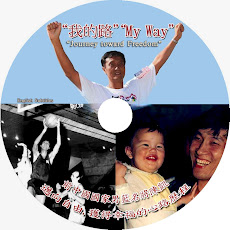
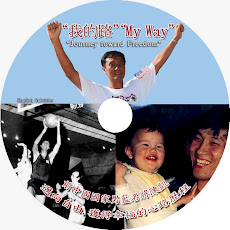
My Way 我的路: http://kaichenblog.blogspot.com/2009/01/my-way-four-episodes-of-tv-special.html

陈凯博客www.kaichenblog.blogspot.com

陈凯再版/让世界多一个幸福人
One More Free/Happy Soul in the World - Your Power as an Individual


“自由人”对抗“中国人”序列
"Free Beings" vs. "Chinese" Series


陈凯一语: Kai Chen's Words:

“道德相对”与“文化等同”造成了中国人畸形的奴性的幸福观: 他从不问他自身是否自由与幸福。 他只问他自己的牢笼是否比别人的牢笼更舒适;他只问他是否比其他奴隶从奴隶主那里多得到了一条毯子。 他人的状况是中国人鉴别自身状况的标准: 他人的奴役是自身的自由。 他人的痛苦是自身的幸福。

只有使自身自由和幸福,世界才有自由和幸福的可能。 你并不总对自身的不幸负责。 但你永远要对自身的幸福负责。

"Moral Relativism" and "Cultural Equivalentism" have created a sick and warped view in some people's, especially the Chinese mindset about freedom and happiness: He never asks whether he himself is free and happy; he is only worried about whether his cage is more comfortable than his neighbor's cage, or whether he has obtained one more blanket from his master than his neighbors. Others' state of living is the standard by which the Chinese judge their own state of living: Others' slavery is their freedom. Others' misery is their happiness.

Only by making oneself happy and free, the world will have a possibility to become happy and joyful.
   You may not always be responsible for your own misery.  But you are always responsible for your own happiness. 

******************************************

by Kai Chen 陈凯 (Written 6/28/2006, Reprint 8/4/2011)

Lenin once said that only by liberating all the people (mankind) in the world, oneself can be finally liberated. According to this view, no one in the world will ever be happy and free, because there is always someone in the world that is unhappy and enslaved. This is "Moral Relativism" carried to the extreme. Of course, only an atheist can have such a point of view, for he is never sure about anything beside yearning for power over others. He will never love anyone, for he has no basis for judging what is love. He will never be happy, for he has no foundation to assess what happiness is. He will never be free, for he has no criterion what freedom really is...

A person with no faith will never be certain about freedom, happiness and anything else for that matter. Fear, confusion and uncertainty will always accompany him. Abusing and being abused/using and being used is his daily experience.

Due to the potent cultural narcotics under which the Chinese have subjected themselves for thousands of years, many have effectively castrated themselves off the capacity to be ever happy and free. Modern communism has further purified the narcotics and rendered the Chinese complete zombies/vampires without souls preying upon one another: They think an unhappy person can make himself happy by saving others from their unhappiness; they think a self-enslaved person can help others to find freedom. Only a complete narcotic addict can have such a view. Only a complete idiot can believe in such a view.

Looking around the world and searching throughout history, is there a free country established not by free beings, but by slaves and overlords? Is there a happy country established by a bunch of self-loathing miserable eunuchs, slaves and whores (Eunuslawhores)?

When I was in China, I had made a promise to myself and my best friend who died from communist persecution that the biggest revenge I would ever exact on the evil regime was to make myself free and happy. Today I have fulfilled that promise. I am free. I am happy. And I think I have become the biggest threat to the evil, despotic Chinese Communist regime, for I will never perpetuate a vicious, despotic, slave vs. overlords, man-eating-man cycle. I have freed myself from that vicious dynastic cycle and from that man-eating cyclone. There is one less destructive element today to ruin other people's lives and to add to the world misery. I have indeed liberated myself.

Having become an element of freedom and happiness, I feel every moment that I am projecting the light of freedom and happiness around me, onto my own environment, onto others. I have become the most powerful person on earth -- I have become a free being.

Do not join in the vicious, deceptive cycle of pain, misery and mental slavery! Separate yourself from the destructive cycle and extract yourself from the perpetual man-eating-man quick sand. Then and only then the vicious cycle, the quick sand, the insidious swamp that have swallowed millions of lives will finally lose their power and disappear into the oblivion, into the past. Hereby I urge every living soul: Free yourself to become a happy and joyful being, before you can truly contribute to the cause of liberty and human freedom.

Only after you have liberated yourself, only after you have become a happy, creative and productive being, the world around you will finally progress toward a better tomorrow. Those who want to save the world but themselves are self-castrating, self-deceiving, God-pretending man-eaters. We have been through many dynasties. We have been through many forms of despotism/tyranny and we have been through Mao - the Devil himself, and the evil spell of communism. We have to ask ourselves:

What have we ever learned? Are we ever capable of learning and progressing at all?

Monday, January 14, 2013

安一鸣谈自由民主与中共党朝的不相容 Greg Autry (Author of "Death by China") Talks about Freedom, Democracy and China's Party Dynasty


Greg Autry (Author of "Death by China") talks about freedom, democracy and China's party dynasty. 安一鸣谈自由民主与中共党朝的不相容。

视频连锁 Video Link: http://www.gregautry.us/archives/1310

Words from Greg Autry 安一鸣 按:

(A video I prepared for presentation at the Forum on the Pending Collapse of the Chinese Communist Party, Taiwan Merchants Association, Flushing NY, 2012.)

I take on the usual excuses that China apologist offer in support of the appalling regime in Beijing. These include the usual tripe like Jackie Chan’s assertion that “Chinese people must be controlled” or the nonsense that “The Communist Leadership has lifted millions out of poverty” (where it kept them for more than two unnecessary generations) and “China is a victim of Western Imperialism.” Enough of all that BS. China is no magically different place, unable to emulate what Japan, Taiwan, or South Korea have done politically – after all it has copied their economic plans pretty darn well.

Sorry about the video quality and my reading from notes, I got the request to speak on short notice and had to film it in my cabin with an iPhone (Hey, Apple CEO: Tim Cook you are supporting this crooked regime with your insanely great products and depriving a Democratic and Free America of badly needed middle class jobs and tax revenues in order to further enrich a very thin slice of brilliant engineers and the investor class. I love brilliant engineers and investors, but I don’t want to live in a Chinese-type plutocracy.)
-----------------------------------------------------------------------
QUOTE from Lincoln: 林肯铭言:

You cannot help the poor by destroying the rich.

毁富绝济不了贫。

You cannot strengthen the weak by weakening the strong.

毁强绝帮不了弱。

You cannot bring about prosperity by discouraging thrift.

嘲笑勤俭绝带不来富庶。

You cannot lift the wage earner up by pulling the wage payer down.

打击付工资的人绝帮不了挣工资的人。

You cannot further the brotherhood of man by inciting class hatred.

挑动贫富仇恨绝不能建立正向社会。

You cannot build character and courage by taking away people's initiative and independence.

消灭人的主动与独立绝不会建立个体的品行与操守。

You cannot help people permanently by doing for them, what they could and should do for themselves.

替人们做他们本来应自己做的事绝不是真正帮助人们。

... Abraham Lincoln 林肯

Thursday, January 10, 2013

陈凯访谈/基督精神-四大要素之二 Kai Chen Interview/Christianity


陈凯访谈/基督精神-四大要素之二
Kai Chen Interview/Christianity


视频连锁 Youtube Link: http://www.youtube.com/watch?v=B9oQrfBFYms&feature=youtu.be


陈凯博客www.kaichenblog.blogspot.com

对基督的儒化与佛化--华人的信仰病态一观
Confucianizing Christianity – A Typical Chinese Pathology


作奴的“中国人”用虚无对抗存在
How Chinese Use Nihilism against Existence


“自由人”对抗“中国人”序列
“Free Beings” vs. “Chinese” Series


By Kai Chen 陈凯 5/8/11 www.kaichenblog.blogspot.com

“中国人”用虚无对抗存在,用奴役对抗自由,用受害者无奈与苦难的绝望对抗自由人对尊严与幸福的追求早已不是什么新闻。 但那些来西方反西方,用自由灭自由的“中国人”试图用佛家儒教解义基督精神的丑态怪象仍常使我哭笑不得,不知是想用呕吐来表达我的恶心,还是想用唾辱来表达我的愤怒。

就像许多“反共人士”总想将“个体自由”从他们的“民主”中删除一样,华语系的所谓“基督徒们”也总是想将“个体自由意志与个体价值”从基督精神中删除。

你(如果你懂英文)只要到华语系的教堂去听一下看一下就会知道用英文传教/祈祷与用中文传教/祈祷的根本区别了。 “上帝”(Supreme Emperor)与“原罪”(Original Crime)是与英文的God 与“Sin”的原义截然相反的。 God (In one definition - Short for Goodness, 上苍的一个定义--“好”的简称)是有其基督精神的道德含义在其中的:真实,爱,宽容,基于自由的人的幸福与快乐(Joy)是基督精神的内涵实质。 信仰、理性、情感、欲望、自由意志、个体独特是God/上苍在造人的时候就赋予人的深含意义的特质。 消灭/诋毁/否认/扭曲这些God/上苍所赋予的特质是对God/上苍的消灭、诋毁、否认与扭曲。 无怪乎华语系的“基督徒们”往往为自己的物质利益祈祷,而英语系的人们则往往为真实的精神价值祈祷。 (你难道没有想过为什么“中国人”向往“繁荣、昌盛、统一、和谐、、, 而“美国人”则对“正义与自由”不懈地追求?)

请记住: God/上苍并没有创造希特勒、斯大林、毛泽东、、。 是“反God/上苍”创造了这些恶魔。

基督精神的伟大在于它是解放人并使人走上自由欢乐的人生的。 基督用他的受难/死亡/再生告知人们不要奢想“人间天堂”,也不要奢想“人”能成“神”。 基督用他的言行告知人们:人对自身“原弊/Sin”的自知自省是人求真、自由、幸福的基点。 基督用他的受难与死亡将人的“原弊/Sin”暴露在人自己的面前。 基督用他的再生解放了人,让人去爱,让人勇敢地去面对自身、面对真实、面对自然、面对未知,让人无畏地用基于良知的理性去探索,去走向未来与希望,去追求真实的幸福。

将God/上苍装在自己的口袋里作为工具与武器去吓唬、欺蒙、控制与奴役他人是对God/上苍的最大背叛,也是“中国人”常常走入的由“消灭自我”而产生的腐败与邪恶。 用“神佛儒”去消灭/诋毁/否认/扭曲God/上苍是典型的华语系人们对基督精神的虚无化、专制化、工具化与奴役化。 消灭人的自由意志(Free Will)是所有想奴役人、控制人的专制者们共有的特质,不论这个专制是从政府那里来,是从民族家族那里来,是从文化族群那里来,还是从教会/牧师/神父/和尚/师宗那里来。

不难看出,“中国人”的“佛”是要消灭人的自我与幸福的。 “中国人”的“儒”是要建立奴役人的信仰与文化的。 “中国人”对基督精神的“佛化”与“儒化”是族群对个体的“人”阉割而奴役的一个必然产生。

中国寺院中的八大金刚恐怖狰狞的、杀气腾腾的鬼像,中国“龙”的图腾的凶恶造型,中国“大肚弥勒佛”的虚无外表、、,无一不是用人心中的恐惧感与人对生命意义的虚无感来奴役人与控制人的。 自由、欢乐、幸福、尊严、正义等普世终极的价值由此被打入十八层地狱。 “中国人”在家中对儿童的辱骂、恐吓、屈辱就是因对腐儒等级专制与对佛家虚无人生的尊崇而衍生的。 专制奴役的文化就此被“中国人”的家庭世代延续下去。 共产邪恶不过只是延用了中国世袭专制(家庭、族群)文化,并贴上了“马克思”的标签为更“完美”的专制在几千年的“屎缸尿盆”中再加了一根强力“搅屎棍”罢了。

用“佛”与“儒”去理解God/上苍说轻了是如同用“金木水火土”去理解自然界一样,说重了是如同是用空气解渴、用画饼充饥一样。 再说重一点就好像在用炸药去建筑大厦一样。 一切都是庸人、懒人、蠢人、恶人(“善走捷径”而“误入歧途”的人)之举。 用族群意识去除个体的自由意志去谈基督精神犹如阉割自己的睾丸去达到性高潮一样。 用恐惧与惩处去除基督精神中的“爱”与“宽容”犹如用“杀人奴役人”去建立秩序一样。 用虚无与无奈人生去除基督精神中的“意义”与“存在”犹如用砒霜、白面当饭吃一样。 用“无我无私”的“大公大同”去除基督精神中的“个体与God/上苍的沟通”不过是与共产邪恶一样的,在中国“驴拉磨”与“抽陀螺”的几千年的恶性朝代循环中,在“创造又一个更完美的专制”中再晕眩虚无一次罢了。

God/上苍不是每一刻将刀架在你的脖子上,将鞭子举在你的脑袋上,将你的恐惧感持在手中作为人质而得到满足感的“控制狂”。

你愿意你的孩子们每天战战兢兢地、如履薄冰地在“人奴”所伪造的牢笼框架中,在虚无人生的无奈中,在死后上天的期待中,在每一刻都要因犯错越轨而被惩罚的恐惧中无所作为地、无幸福快乐地、无感无欲地、无自知无进步地度过他们的一生吗? 如果你选择这样度过你的一生,那无可厚非。 (真怪:“你选择”- 没有“你”,“自我”与“自由意志“,你如何选择?)但强迫任何他人,尤其是你的孩子们与你一起进入对“虚无人生”与“完美专制”的崇拜/崇尚,那就是邪恶的定义。

望每一个人深思你自身的价值,你的家庭,你的亲人,你的后代。 你懂得“你”在说什么,做什么吗?

陈凯访谈/个体价值-四大要素之一 Kai Chen Interview/Individual Values - Part I of Four Essentials


陈凯访谈/个体价值-四大要素之一
Kai Chen Interview/Individual Values - Part I of Four Essentials


视频连锁 Youtube Link: http://www.youtube.com/watch?v=iaZIMggvi0c&feature=youtu.be

陈凯博客www.kaichenblog.blogspot.com

摈弃“族群文化”,建立“价值文化”
Abandon Your Collective Mindset


“党文化”、“国文化”、“族文化” 对垒 “人文化”、“自由文化”、“价值文化”

“自由人”对抗“中国人”序列
"Free Beings" vs. "Chinese" Series


陈凯 Kai Chen (Written 1/6/2010, Reprint 7/30/2011) www.kaichenblog.blogspot.com

世界历史究竟有没有方向? 人类的终极价值是否存在? 个体的人是否有生命的意义? “文化”是否只是基于群体而自由于“价值”而立? “善”是否是价值? “忍”是否是美德? 人做好事是否为了有好报? 道德与伦理/礼的区别在哪儿? 道德行为的动机究竟应该是什么? 宗教信仰是为了逃避苦难与惩罚还是为了追求意义与价值?

对这些至关重要的哲学话题,我已经在我的博客与论坛里(陈凯博客、陈凯论坛 www.kaichenforum.com )有许多的论述。 但当我观察中国人追求的动向与海外自由人士的言论时,我发现“人”、“个体”、“价值”、“自由”仍不能被认同而作为普世终极的追求。 “不做坏事”代替了“追求正义”成了“善”的定义。 “有好报”成了“做好事”的动机。 “容忍不同”与“容忍邪恶”混淆在一起成了所谓“忍”的伪美德。 当人们开始摈弃“党文化”的时候,他们却精心地炮制“国文化”、“族文化”、“群文化”、、。 对这些文化中的本应有的“人”的价值、“个体”的存在于意义、“自由”的理念、“正义”的追求、“尊严”的崇尚人们却置之不问、毫不关心,甚至将这些中国文化中所本来就缺的终极道德价值说成是所谓“西方”的怪癖而予以贬低、甚至摈弃去抬高中国本土所产生的专制伦理/礼。

中国家庭的成员个体行为与对其子女的教育为这种道德价值的虚无奠定了一个极为病态的温床。 “意义虚无”的价值“爱滋病毒”在几乎每一个中国家庭中被用“打亲骂爱”(忠孝节义)的用子女为家族长辈服务作工具的传统方式沿袭继承,甚至发扬光大。 博大精深的专制的“他虐自虐”心态在中国人的家庭中与群体中被“中国文化”的至宝传播到个体与个体间人的关系的习俗准则。 “人”为“国群族”所用作工具奴隶自然就被这种家庭文化投射到社会上成为中国人“生命意义”的准则。 鉴别“人上人”与“人下人”、“强弱内外”、“亲疏中西”、“等级血统”、“君臣父子”、“男女老幼”成了中国文化中的人们运用他们“精明而无智无灵”的头脑的焦点、特质与伪价值的基点。 将在“尿盆里游泳”与“粪池里扒谷”说成是中国人的“自然文化状态”,而将“海洋中的探索”与“按自然规律去播种施肥收割”看成是不懂“走捷径”的傻人们的“西方文化”。 无怪乎在中国历史上充斥着贩卖“炼丹术”的骗子去追求“长生不老”而丝毫也没有去发现探求自然规律的无畏的个体。 自古以来“杀富济贫”的共产农民造反成了人们追求致富走捷径的伪道德经济(人们美名这种强盗土匪的逻辑为“革命”)。“科学”、“理性”、“信仰”、“资本主义”、“市场经济”、“自由尊严”也自然就成了中国的人们从来没发现过的、至今也没认同的外来语、外来概念。

基于这种“个体价值虚无”的文化,自然地“繁荣富强”、“强汉盛唐”、“血肉长城”、“两肋插刀”、“精忠报国”、“恭喜发财”、“衣锦还乡”也就成了中国的人们在宣扬博大精深的中国文化中最常用的价值虚无的口头语了。

一个不能被批判分析的文化是一个不能成长进化的文化。 一个“个体价值与意义虚无”的文化只能是一个被专制用来奴役人、奴役人的头脑与灵魂的工具。 我不能想象如果今天的意大利在追求回复“罗马帝国的荣耀”的墨索里尼的统治下会是什么样子。 我可以肯定如果俄国在苏共倒台后的今天仍旧追寻“沙皇帝国”的幻梦,灾难将等待着俄国的人们。 我也可以断言如果在中共倒台之后中国的人们仍旧在道德价值虚无的“强汉盛唐”的迷境中寻找所谓过去的辉煌与骄傲,另一个专制王朝将会使中国的人们陷入难以想象的劫难。

人类的历史是一个基终极价值、基道德方向向前演进的历史。 真实、正义、自由、尊严就是人类历史的道德指南。 将“大江东去浪淘沙”的“久分必合、久合必分”的道德价值虚无的“朝代与强弱”的伪文化与“好死不如赖活着”的懦夫伪价值抛到人类文化的垃圾箱里去,并建立“个体付出代价并承担选择的责任”的“不自由毋宁死”的进步方向性的“存在”的、“人”的、“自由”的新文化是每一个有尊严的自由人的德不容辞的义务。 我只想说: 我首先是一个自由人,而绝不是一个“国人”,“族人”,“群体人”。 我想用我的生命追求的是“意义与价值”而不是“文化传统”或“伦理规范”。 我曾经追求过、也正在追求、并永远会追求真实、正义、自由与尊严。 我并不在意他人是否会像我一样追求这些道德的价值,因为我懂得一切从一个人开始,一切从“我”与“自我”开始。

愿一个“真实的、存在的、追求个体生命意义的、崇尚自由尊严的”新文化在我身上开始,在热爱自由的勇敢的中国的人们与世界的人们的生活中传播。 它虽然现在很微弱,但它的生命力是来自上苍的,是永远不会再地球上消失的。 它持续地、激情地搏动着,告知世界上的人们虽然人类的选择会有时而的偏差,但历史是沿着上苍的人的方向性轨迹向前演进的 – 从奴役到自由,从群体到个体,从混乱到清晰,从苦难到幸福,从被动到主动,从绝望到希望。 人类无奈的、无方向的、苦难灾难的、吃人的朝代循环将成为过去。 希望、幸福、欢乐、自由、正义与尊严将在你我身上、在那些完整的人的灵魂中开始一场新的复兴。 “人”- 有尊严的个体,而不是虚无的“人民”将在中国这块大地上,将在世界上站立起来。 你现在就要选择;你现在就要行动;你现在就要付出代价;你现在就要承担责任。 如果你愿意,你现在就可以有尊严,就可以自由。 不要妄期他人与救世主。 不要妄等来世。

Tuesday, January 8, 2013

陈凯访谈/联邦宪政-四大要素之三 Kai Chen Interview/Constitutional Federalism


陈凯访谈/联邦宪政-四大要素之三
Constitutional Federalism

陈凯访谈/视频连锁 Youtube Link:   http://www.youtube.com/watch?v=83dhV-LtUhE&feature=youtu.be

陈凯博客www.kaichenblog.blogspot.com

共后时代的标像符号及语言/一些构想
Symbolism after Communism/Some Thoughts


真实,正义,自由,尊严
Truth, Justice, Liberty, Dignity


陈凯一语: Kai Chen's Words:

中共政权的末日即将来到。 一个重大的、急切的任务是在后共时代建立新的崇尚真理,正义,自由与尊严的文化和政体。 反映这些新的价值的标像符号及语言词汇是绝对必要的与迫切的。 这需要人的正向的清晰的道德标准和人的广博的想象力。 反映负向价值的标像符号及语言词汇一定要尽快消亡。 反映正向价值的标像符号及语言词汇一定要尽快建立。

The beginning of the downfall of the China's communist regime has already arrived. An urgent task of an utmost importance in the post-communist era will face us very soon. We must establish an entirely new form of government based on an entirely new culture that values Truth, Justice, Liberty and Human Dignity. To do so means first to establish a set of new symbols and a set of new vocabulary, possibly based on a new language. It is not easy but it must be done.

To establish this new culture and a new form of government, one must have moral clarity and abundant imaginations. Nonetheless, old symbolism, vocabulary and language that reflect the values of despotism and tyranny must be replaced by a new set of symbols and vocabulary, by a new language that reflects human yearning for freedom and happiness. And this must be done as soon as possible.


***********************************************

By Kai Chen 陈凯 (Reprint 7/20/2011)

We can all sense the coming demise of the Chinese communist regime. And they, the communists themselves, know as well that their reign of tyranny is coming to an end soon. We must now ask ourselves that whether or not we are ready for a new society, a new set of human values, an entirely new kind of culture and an entirely new form of government. We must ask ourselves whether or not our own mind is still controlled by the old symbols, old vocabulary, old language, old habits and old patterns of behavior. [b]If we are not aware of the fact that the poisons in us by our slave masters from the past still effect the way we think and behave, we are doomed to repeat the history.

I now want to establish a survey here to arouse your own imagination, to challenge your own old habits, to question your own mindset and to cleanse your own cultural poisons by generations and dynasties of despotism. By doing so, you may start a new culture yourself here. You may live in a new state of consciousness. You may finally embark on your own journey, away from the vicious Chinese dynastic cycles, toward human dignity, human freedom and human happiness.

Best. Kai Chen 陈凯

-------------------------------------------------------------

下面就是新标像符号与语言词汇的普查 (请贴回复):


The following is a survey, as well as my own view, on what you would like to establish in terms of symbolism and language in the post-communist era: (You can post your response)

新标像符号及语言词汇:
NEW VOCABULARY, NEW SYMBOLS, NEW LANGUAGE:


1. 国号:
The New Nation's Title:


My Own View: United Federation of East Asia (UFEA)

东亚联邦

2. 国歌:
The New Nation's National Anthem:


My Own View: It must be newly composed. It must reflect the meaning and values of the new nation -- freedom, human yearning for dignity and happiness.

新国歌必须反映自由,尊严与人的幸福的终极价值。

3. 国旗:
The New National Flag:


My Own View: It must reflect the values of Freedom (color blue must be added). It must reject despotic unity and social hierarchy (no big and small stars). It must reject racism (no color yellow)

象征自由的蓝色一定要有。 反映等级与专制大一统的标志(大小)一定要拒绝。 反映种族主义与狭隘族群心态的标志(黄色)一定要拒绝。

4. 政府建筑:
Governmental Structures:


My Own View: New governmental structures must be built to reflect the principles of "Separation of Powers" and "Checks and Balances" within the government. Absolutely no past palaces and old structures can be used for new government.

新的政府一定不能在旧宫殿与旧政府建筑中执政。 新政府建筑一定要体现新的分权,相互制约与服务于人的基本原则。

5. 天安门广场:
Tiananmen Square in Beijing:


My Own View: Old communist symbols on the square must be entirely eliminated. Tiananmen Gate can only be part of the old museum and can not be used for political purposes. Tiananmen Square must be a giant garden and lawn for people to enjoy life.

天安门广场上的共产时期的标像符号一定要被销毁。 天安门城楼将被立法成为非政治文物,成为只是故宫博物院的一部分。 天安门广场将被改为一个大花园与草坪供人们休闲消遣。

6. 法律与教育语言:
Language to Establish the Constitution and laws. Language for a Foundation of New Educational System:


My Own View: Constitutions and laws must be written first in English and any confusion in the vocabulary must be clarified by English first. English must be the base language in reestablishing the educational system. Chinese language must be secondary and gradually fade away to become only an art form.

以英文为底书写宪法与法律,以英文为底建立新的教育系统。 中文将逐渐从社会中淡化,至终只淡化为一种艺术。

7. 新标像符号取代旧标像符号:
New Symbolism Replacing Old Symbolism:


My Own View: The Chinese Statue of Liberty in 1989 should be the new symbol on Tiananmen Square and nation-wide in general. New symbols reflecting Truth, Justice, Liberty and Human Dignity, such as statues, arts, buildings, etc. must be erected nation-wide.

1989 的天安门自由女神像一定要成为在东亚大陆上人们新价值的标志。 反映真理,正义,自由与人的尊严的雕像,艺术与建筑一定要在东亚大陆各地大量广泛地建立。

8. 各独立联邦体自立称号,自立标像符号:
Each Political Entities Establish Their Own Symbolism:


My View: Each political entity under the constitution within the Federation must be independent to establish their own set of symbols such as anthems, songs, flowers, animal, flags, etc..

各入联体将独立建立代表自己的标像符号,包括歌曲,旗帜,花,动物等等。

9. 禁毛像与共产标像符号:
Ban Mao's Image and Communist Symbols:

立法宣布在公共场合展示毛像及共产标志(如镰刀斧头,中共国旗等等)为非法,如同今日德国立法宣布在公共场合展示希特勒像与纳粹符为非法一样。
The new nation's legislature should legislate to ban public display of Mao's image and symbols of communism such as sickle and hammer/communist regime's flag.


My View: The new nation's citizens will be fined or sentenced to public services for displaying Mao's image and communist symbols.

新国度的个体如在公共场合展示毛像与共产标志应按法律受到罚款、劳役服务等处罚。

Monday, January 7, 2013

陈凯访谈/英文语言-四大要素之四/解读中文语言的专制密码 Kai Chen Interview/Decipher Despotism in Chinese Language


陈凯访谈/英文语言-四大要素之四

解读中文语言的专制密码
Kai Chen Interview/Decipher Despotism in Chinese Language


陈凯访谈/视频连锁http://www.youtube.com/watch?v=R6iM8Wjh1RU&feature=youtu.be

从“文字笼罐”到“文字狱”
From Chinese Language to Despotism/Tyranny


从中国文字的虚无特质到中国专制文化的虚无特质 – 看中国单音节形象文字与中国专制政治文化的必然联系
From Nihilism in Chinese Language to Nihilism in Chinese Political Culture


“自由人”对抗“中国人”序列
"Free Beings" vs. "Chinese" Series


By Kai Chen 陈凯 (Written 5/18/2006 Reprint 9/4/2011)

将这一话题提出实有如有人大叫“皇帝没有穿衣服”一样,定会引起哗然大波。 但我想在人们在恼怒成羞,或恼羞成怒之后,定睛定神地仔细看一看,也许一些人会静下来想一想。 也许一些人会反思反省一下,意识到也许自己的意识形成确实受到了中国单音节形象文字的负向影响与滕缚。

我想我现在的尝试是一个前所未有的开拓: 试图用一种以虚无作特质的文字去阐述一个真实存在的概念。 按逻辑这有如用笼子去解放概念,用镣铐去使奴隶自由。 我曾用英文阐述过这个观点。 那并不难, 基于英文的内在的自由,抽象,逻辑,定义与附义的特质。 英文作底与说英文的人们也很容易懂得我的观点。 但用一种病语去分析,阐述此语的病态,却需要相当的努力,耐心,小心,技巧与勇气。 我决定还是试一下,因为我的读者与听众是运用此病语的人们,(虽然他们的大多数还没有意识到)也是深受其害的人们。

如果说语言文字是运送、交流信息知识的,内附价值体系的运送工具(Vehicle),中国单音节象形文字有如一辆辆悬空的“笼罐”式无马,无辕,无轮的旧马车。 说“笼”是因为它的囚禁人的思维的特质。但人在笼中最少还能向外看。我用“罐”是指人进入这个牢中后连向外看的可能都被杜绝了。 只有很少的光线可以透过“哈哈玻璃”进入罐内。 自罐中向外望,所有的事物都是畸形的伪物,无一真实。 说“旧”是因为中国文字的甲骨,巫术符号的几千年古源。 说“马车”是因为它起码还是一种语言文字。 说“悬空”是因为它既不前行,也无方向。 说无马是因为它没有始动力。 说无辕是因为它无从依附。 说无轮是说它无路可行。

在此我给这旧马车加一个力,那就是我。 我也给它加上一个辕与轮,那就是我的自知。 我也给这马车一条实路,那就是英文作底。 我现在试图用我的力量与自知在英文的底线上将一个真实的概念向前拖。 我不知结果会如何。 但我尽力而为。

中文的基点有两大特性:

1. 中文的“不可再造”性: 中文有50,000 多字,全是中国人祖先创造遗留下来的。 没有任何个人可以造字。
2. 改造中文的“官方”性: 只有代表整体的政府,如中共政权,才可简化文字并用权力传播它。

基于这两大性质,我可用逻辑引申为: 中文创始的前提是人的不自由化、 非个体化与奴役化。 这个前提是:世界上所有的知识与概念已被中国的祖先所发现,所创造。所有后来的中国人只是去记忆,去继承,去遵循,去服从。大部分中国人都认为人没有个人意志,也无个人选择,他只是环境,文化,制度的产物。 这种对人的认识与他们对中文文字的无能为力,和他们的被传统文字,文化奴役感质为相关。 所以讲中文作为中国专制文化制度的帮凶是不为过的。

另一个引申是:由于这两种性质,中国人的个性从一开始就被灭绝在摇篮里了。 中国人对群体与政府的尊崇是绝对的和来自官方的绝对的文字垄断权上的。

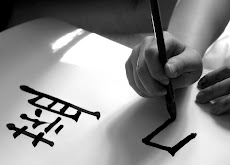
中国人的无神崇祖的现象从其始就与中国文字的僵化,绝对性相关,基于中文的不可再造性。 中文的创始者从一开始就没有将中国人视为自由的个体。 这种文字产生的基点并不是将语言作为工具,将人作为自由的,主动的,独立的个体去发挥,解放人的创造力的,而是将人作为被动的,消极的奴隶去控制,限制与奴化侍皇,侍群的。 当一个中国的孩子拿起毛笔临摹他祖先的笔法的时候 就是他在开始编织奴役自己的牢笼的时候。从那一刻起,残忍地与必然地,已经没有人将他作为一个自由人。 他自己也将自己的自由锁在那“笼罐”的悬空马车里了。 他将对那灵魂与头脑的自我禁锢付出沉重的代价。 如果他有意愿,能力与勇气,他也要用时间与巨大的努力去打破那他祖先留下的,他自己编造的灵智牢笼,寻求再生。 那是多大的浪费呀! 且不说事实证实只有极少数的人能打破中文的强大禁锢。

我现在用一点篇幅去阐述中文的具体弊病:

1. 由于人的生理局限,在五万中文字中,只有五千中文字是常用字。在几千年人类知识的积累中,已经超载的中文字在近代又受到了信息爆炸的巨大冲击。 字义的超载量已远远超出每个中文字的在古代的原设计值。 一字多义,多字一义,一音多字,一字多音,更将原来定义化就低的中文字进一步浑浊化。 每一辆旧马车其实已在这信息爆炸中被炸得粉碎。 或者说每一辆旧马车的过度超载已将中文字浑义,淡义到近于无义,虚义,甚至反义的地步。 试图用这旧马车去装载航天穿梭机只是一个病态人的臆想幻梦。

仅举“法治”一词为例: 人们从不分“法治”与“法制”之间的区别。我也不知他们之间有何区别。 但在英文中,“Rule of Law”与“Rule by Law”是反义。 前者有“人以法治政”,后者有“政以法制人”的含义。 两词的中译都是“法治”(或法制),孰不知前者是民主中的成分,后者是专制的定义。既不知什么是“法治”,何谓“法治人治”之争。 中国古代的“法家”应解为“君以法治人”,“儒家”应解为“君以礼治人”。两者都以维君权为目的,无本质区别。“儒法之争”也只是虚无的“权力之争”而已,旨在蒙人混脑。

这种“混义”,“反义”造成了中文的“不赋义”或“泛赋义”性。 任何人都可以将任何字在任何时间,任何地点歪释曲解,随机而用,使中文完全成为主观文字。 这种主观文字只能被定义为“虚无文字”/“专制文字”,因为只有那些手握枪杆子的人才有“语言权”并为他们虚设的伪词汇定义。 基此而言,任何的虚无文字只能作为玩弄“文字游戏”的专制者的专权刑具,而绝不能成为建树未来的民主者的追求自由的客观工具。

2. 基于人脑两半球的感知分工,中文用形象文字的表象加义输入人的抽象半脑,造成表象与抽象实质在思维时的颠倒与混乱。中国人在辩论,交流时不能在抽象实质的理性空间交锋,而常常沦落到猜忌与人身攻击的权力斗争的泥坑里,沦落到“救脸护皮”的俗套中,就是这个道理。 中文基其形象表达本应输入在人的艺术创作半脑中,这种“理,艺”的冲突输入就是“黄河浑水”的源泉。

由于冲突输入而导致的思维混乱大大降低了中国人自由,独立的程度与人格人质。 群体的专制(大政府,无社会)便成为了暂时维持表面秩序的唯一共有选择。

3. 中文中在名词与动词上无复数单数之分。 这直接导致了中国人误将复数群体作为不可分的有机单元。 个附群,群压个,个群不分便成为了与法西斯,纳粹理论有同无异的逻辑特质。人可有可无。 国不可不无。

4.中文字动词缺少时态。 这导致了中国人思维方向性的经常混乱。 过去,现在与将来在中国人的思维中常常颠三倒四,严重危害了中国人的客观历史感。

5. 因中文文字音形分离,儿童学习中文字时只通过记忆。这导致了中国儿童晚期阅读,往往比英文儿童晚三年。人的创造力来自拆散组合。 中文因不给人拆散组合的机会而窒息人的创造力。

6. 由于中文的不定义性,多义性,主观性与虚无性,中文绝不可作为科学与法律语言。 从古至今中国在自然科学与社会科学领域里是真空,与中文的虚无性因果相关。

7. 简化中文只是掩耳盗铃之技,解决不了中文的本质的单音节形象弊症,解决不了中文固有的虚无性。

8. 中文的形象构成与音字分离的特性造成了人们在信息组织与储存(information organization and storage)、信息查找与抽取(indexation)、概念形成与创造(concept development and creation)、新概念的表达(new concept expression)等至关重要的精神理性领域中的重大与不可逾越的障碍。

中文对人的异化是中国专制文化,中国专制制度对人的异化的基点组成环节。 中文早就应该进入文字考古博物馆里去,早就应该只作为艺术供人研究与欣赏,而绝不能作为工具为人所用创造未来。

中国人的祖先,由于形象文字的输入和限制,对自然界的认知只能停滞在表象的“金,木,水,火,土”上,而用不能借逻辑的力量走入分子,原子,电子,中子的层次上。 也就如中国的五音乐理,简谱在音乐领域中永远写不出表达多层次的人的心灵感情的宏伟的交响乐章,只有西乐“五线谱”才能承此大任。 再者,你可以想象如没有阿拉伯数字(1、2、3、4、、),你能用中文的“一,二,三,四、、”去产生与研究数学吗?

以英文为主的西方多音节字母文字是符合人的生理结构的“人”的文字。 它以抽象符号的自由组合与拆散组词、赋义输入人脑的抽象、理性的语言半球。人由此自由于表象与实质的输入冲突。 它以人的自由,独立为前提而设。它是为人服务的交流,储藏工具。 任何人可在任何时间,任何地点,出于任何目的将字母拆散组合,自造新字去表达新创造,新概念,用不着任何人的许可。 它的内在的逻辑性,定义性,客观性使它成为理想的科学与法律语言。 它是自由的语言,解放人的创造力的语言,表达人性,人的灵智的语言。 它是道德的语言。

用英文取代中文,成为中国人共用的法律、科学、教育语言,成为中国人走入人性,走向未来的工具,已是理不容辞,德不容辞,大势所趋。 陷在“国粹”的怪圈里的,崇祖拜中文的人们应该醒醒了。 请用你们头脑中的人性特质去思考,用逻辑,理性,道德去反省反思,而不要用你们的脸面,肤色,文化习性与虚无的群体认同去思考。 1+1 在任何人的脑子里都等于2。

请加入人的行列。在那人的行列中,只有自由与尊严,没有耻辱。


陈凯博客www.kaichenblog.blogspot.com

Wednesday, January 13, 2010

最佳社会四大要素:个体价值/基督精神/联邦宪政/英文语言
Four Essentials for the Best Society


“自由人”对抗“中国人”序列
"Free Beings" vs. "Chinese" Series


陈凯一语: Kai Chen's Words:

www.kaichenblog.blogspot.com

纵观世界,美国是人类历史上最自由,最进步,最繁荣,最道德,最具有活力与创造力的人的社会。 个体主义与个体价值,基督精神与终极道德感,联邦宪政与小政府大社会,英文作为法律教育科学的最佳用语是美国社会的四大要素。 世界上其它社会有的只有这四大要素的某些部分,如欧洲的大部分社会,亚洲的一些社会。 中国社会则根本没有任何的这些要素。 世界上人和社会的进步程度也都取决于它们在多大程度上与意愿上试图取得这四大要素。

If you study all the societies in the world, you will find that America is the freest, the most progressive, the most prosperous, the most ethical, the most lively and the most creative and productive country on earth. Individualism with God-given rights to life, liberty and pursuit of happiness, Christianity with awareness of existence of moral absolutes, constitutional federalism founded on the principle of limited government, and English language as the communication tool used in law, education and sciences are the four essentials for all the achievements in American society. In comparison or contrast with other parts of the world, some such as those in Europe and some in Asia only have parts of the four elements. Others like China have none. Not surprisingly, the degree of freedom, prosperity, creativity and productivity, and the speed of progress of all the societies in the world vary according to whether or not any particular country has and is willing to acquire these four essentials.


Kai Chen Observation:

The problem with the Chinese, a people of nihilistic culture, is they refuse to see or are incapable of seeing the truth: Human societies are government by principles based on the eternal values. Human societies are not governed by ideologies. Principles are from God. Ideologies are from men. Godless Chinese believe only in ideologies, not principles. Therefore, they are blind to truth and reality, such as good vs. evil, right vs. wrong, justice vs. injustice, truth vs. falsehood. What governs the Chinese ethos/mindset is "us vs them", Chinese vs. foreigners, enemies vs. friends, strong vs. weak, race vs. race, rich vs. poor.... This is why there have to be "Four Essentials" first before a real meaningful dialogue among the Chinese population can occur. The Chinese simply don't have the canvas, brush and paint to creat anything, be it ugly or beautiful. They have nothing to base upon to establish anything besides dynasties, nothing at all.


*********************************************

by Kai Chen 陈凯 (Written 2009, Reprint 8/8/2011)

* 个体价值 Individualism with God-given rights for each to pursue life, liberty and happiness

* 基督精神 Christianity with awareness of existence of moral absolutes

* 联邦宪政 Constitutional federalism founded on the principle of limited government

* 英文语言 English language as the communication tool used in law, education and sciences


I list these four essentials of a progressive society for all of you to ponder and examine. Those societies who measure up to these four fundamental elements are those who are doing well and progressing toward a better tomorrow. Those who do not measure up or those who reject these four essentials are those societies mired in stagnation and perpetual turmoil. They are going nowhere and they are going down the drain.

Let us examine these four essentials for a society's positive direction toward progress:


1.  个体价值  Individualism with God-given rights for each to pursue life, liberty and happiness

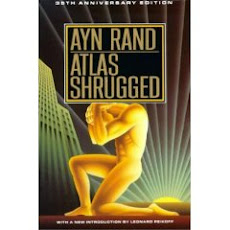
On this 50th anniversary of publication of Ayn Rand's "Atlas Shrugged", we will remind ourselves that Ayn Rand, like almost everyone in America, was an immigrant from Russia. She, much like Copernicus and Galileo in the realm of physical science, pointed out that in the realm of morality and human society it is the individual, NOT the society or any collective, that is the fountainhead of creativity and productivity. It is the individual, NOT the collective, that is the sun where the energy is produced and emitted. A society thus must be revolving around the individual, not the other way around. Hence, without this correct awareness of the objective reality, any society will never progress for it will suppress the very source of the energy and creativity.

2.  基督精神  Christianity with awareness of existence of moral absolutes

To interpret Ayn Rand's works mistakenly by injecting moral-relativism is a common mistake among the liberals and the American left. Absolute power, not truth, thus becomes the focal point of contention with the liberals and the left in large, much like the socialists and communists anywhere else in the world. America is never a nation with NO God like a communist country. America is never a nation OF God like a theocracy. America is a nation UNDER God, not men. Christianity thus establishes the moral foundation of America. The origin of life, the origin of consciousness, the origin of morality thus are explained via a life\freedom -affirming, happiness\joy oriented belief. Freedom will triumph over tyranny; truth will triumph over falsehood; life will triumph over death; good will triumph over evil; progress will triumph over stagnation; joy and happiness will triumph over misery and suffering.... By focusing on today's human behavior under a moral compass, a better tomorrow becomes a goal and possibility. Hope is thus instilled and inculcated into the human psyche.

3.   联邦宪政  Constitutional federalism founded on the principle of limited government

Separation of power, a government of the people, by the people and for the people, inner checks and balances and the principle of limited government all mark the American style constitutional federalism. Presidential election, not a parliamentary system with a prime minister, ensures a constant element of change and innovation in governmental reform and policy initiatives. Thus American society is endowed with a rare vitality and risk-taking innovations. Constant but limited human experiment by the government to ensure a freer society is thus implemented via a written constitution. Stagnation and rigidity hence are diminished. Small government and big society with powerful individuals are ensured.

4.  英文语言  English language as the communication tool used in law, education and sciences

Compared with other languages, English language lacks the rigidity and complexity which often constitute barriers in educating a society's population. It often has Latin roots, Greek roots, German roots, French roots.... It has no human restrictions put on it in its constant evolution and development, not like some other European languages such as French. English language is simple to use, free to create, and easy to understand. The best legal, literal and scientific minds of human history had mostly been written in English. And English-speaking countries lead the world in all the aspects of human endeavors. English language as a tool to conceptualize and interpret natural and human phenomena has greatly contributed to the history of human progress. Failure to recognize the contribution of the English language is to deny the simple fact and the truth all together.

The four essentials I list here are essentials for any human society to progress toward hope and a better tomorrow. I hope all of you think deeper into this issue and post your own opinions here on my forum.


Saturday, January 5, 2013

为什么支那/孔儒文化绝不会主导世界 Why China Will Never Rule the World

为什么支那/孔儒文化绝不会主导世界
Why China Will Never Rule the World
Parfitt
Amazon Book Linkhttp://www.amazon.com/China-Will-Never-Rule-World/dp/0986803502/ref=sr_1_1?s=books&ie=UTF8&qid=1357480651&sr=1-1&keywords=why+china+will+never+rule+the+world
作者结论  Conclusion from Author: 
“支那(China)自古至今一直是一个专制极权社会。 支那(China)作为一个专制文化没有任何值得世界借鉴的人的价值。”  "China is still a totalitarian society and China has nothing to offer to the world."

千枫电视台再播“我的路” Re-broadcast of "My Way"

千枫电视台再播“我的路”
Re-broadcast of "My Way"


感谢千枫电视台的李茂玄先生再播“我的路” (制作人:赵枫  首播:新唐人电视台/2008年)
Thanks Mr. Samuel Lee of Thousand Maples TV Station for the re-broadcast of "My Way"  (Producer:  Fiona Zhao,  first broadcast on NTDTV, 2008)

千枫公共电视台: http://www.latwtv.com/

我的路 -- 四集电视专访节目简介﹕ 陈凯专访 (NTDTV)

这是一个坚守尊严的无畏的人(陈凯)在心灵上从奴役走向自由的史诗,是一个人从痛苦绝望走向幸福欢乐的真实的故事。 希望每一个看了这个电视连续节目的人能从中找到自己的价值与勇气,无畏地付出代价去争得你的真实的自由与幸福.

Brief Introduction: This is a true story, a saga of a courageous individual and his arduous journey from slavery toward freedom, from misery toward happiness. I wish everyone who watches this program can pluck up your own courage, find your own values and pay the necessary price to achieve true happiness.

Tuesday, January 1, 2013

美国人这样评价中国人:你没有尊严 An American's Comment on being A Chinese: You Have No Dignity


在中国没有一寸土地属于个体私人;在中国95%以上的财富被控制在“党奴朝”官员子女的手中。
In China there is not an inch of land that belongs to a private individual citizen; in China 95% of national wealth is controlled/amassed by the "Princelings" (sons and daughters of communist party officials) through corruption. 


美国人这样评价中国人:你没有尊严
An American's Comment on being A Chinese: You Have No Dignity


陈凯 转载

(陈凯 按:虽然这篇文章对中国奴朝的文化有相当的分析,但它是从西方/美国左翼的观点写的: 道德腐败与环境毁坏绝不来自资本主义,而只来自毫无个体自由与责任的社会主义/共产主义。)

Kai Chen comment: This article though makes a good point, it's nonetheless from the leftist position. Moral corruption and environmental damage are caused NOT by capitalism but exactly by socialism/communism in where no one is responsible for his/her own action.)


2012-12-31 16:00

中国人缺乏诚信和社会责任感。中国人不了解他们作为社会个体应该对国家和社会所承担的责任和义务。普通中国人通常只关心他们的家庭和亲属,中国的文化是建立在家族血缘关系上而不是建立在一个理性的社会基础之上。中国人只在乎他们直系亲属的福址,对与自己毫不相关的人所遭受的苦难则视而不见。毫无疑问,这种以血缘关系为基础的道德观势必导致自私,冷酷,这种自私和冷酷已经成为阻碍中国社会向前发展的最关键因素;在中国人的眼中,受教育不是为了寻求真理或者改善生活质量,而只是身份和显赫地位的象征和标志;中国可以培养出大批的高级能人才,但却很少可以培养出合格的可以独立主持的管理级专家。
  
中国从来就没有成为一个法制社会,因为中国人的思维方式与守法行为格格不入。中国人老想走捷径。他们不明白这样一个事实:即成就来自于与努力工作和牺牲。中国人倾向于索取而不给予。他们需要明白一个道理:生活的真蒂不在于你你索取多少而在于你能给予社会和你的人类同胞多少。
  
大多数中国人从来就没有学到过什么是体面和尊敬的生活意义。中国人普遍不懂得如何为了个人和社会的福址去进行富有成效的生活。潜意识里,中国人视他们的生活目的就是抬高自己从而获得别人的认知。这样一来,一个人就会对"保有面子"这样微不足道欲望感到满足。"面子"是中国人心理最基本的组成部分,它已经成为了中国人难以克服的障碍,阻碍中国人接受真理并尝试富有意义的生活。
  
这个应受谴责的习性使得中国人生来就具有无情和自私的特点,它已成为中国落后的主要原因。中国人没有勇气追求他们认为正确的事情。首先,他们没有从错误中筛选正确事物的能力,因为他们的思想被贪婪所占据。再有,就算他们有能力筛选出正确的事情,他们也缺乏勇气把真理化为实践。
  
中国人习惯接受廉价和免费的事物,他们总是梦想奇迹或者好运,因为他们不愿意付出努力,他们总想不劳而获。很少有中国人明白一个事实,就是威望和成就是通过一步步努力的工作和牺牲实现的,不付出就没有所得。简单来说,如果是为了谋生,那一个人只有去索取;但如果是为了生活,一个人必须要去奉献。
  
由于在贫穷的环境下生长并且缺少应有的教育,大多数中国人不懂得优雅的举止和基本的礼貌。他们中的大多数人着装笨拙粗鄙却不感到害羞。他们在青少年时所受的教育就是如何说谎并从别人那里索取,而不是去与别人去分享自己的所有。
  
中国是一个物产丰富的国家。但无限制生育政策所带来恶果使得中国成为了无限廉价劳动力的输出国。这些输出也包括那些受过教育的劳力输出,除了他们的教育水平,实则和其他一般苦力没有本质上的区别。
  
中国大规模生产的便宜产品降低了输入这些产品的地区的商业信用度。由于技术落后,管理失败,中国制造的单位能耗要比发达国家如日本,美国高出很多。因此,随着出口额的增加,中国在扩大生产的同时丧失着宝贵的能源。同时,这种行为也严重的污染了环境,使中国变为全世界最不适宜人类居住的国家。

(陈凯 按: Kai Chen comment: This article though makes a good point, it's nonetheless from the leftist position. Moral corruption and environmental damage are caused NOT by capitalism but exactly by socialism/communism in where no one is responsible for his/her own action.)
  
目前中国正在遭受着资本主义社会2大邪恶的折磨,即环境的破坏与人性的丧失。由于中国人天生的贪婪的本性,它们可以毫无保留的接受资本主义的阴暗面即无止境的追求利润,忽视人的尊严。中国人对西方的技术与产品狂热追求却对西方管理文化所强调的坦率,直接,诚实这些品质漠不关心。
  
由于中国文化不鼓励敢于冒险这种优良品质,所以中国人极力避免冒险,他们也不想寻求机会来改善自己的生活。中国人对于生活的平衡性和意义性并不感兴趣,相反他们更执迷于对物质的索取,这点上要远远胜于西方人。大多数中国人发现他们不懂得"精神灵性","自由信仰"以及"心智健康"这样的概念,因为他们的思想尚不能达到一个生命(补:即肉体和灵性的并存)存在的更高层次。他们的思想还停留在专注于动物本能对性和食物那点贪婪可怜的欲望上。
  
在中国人的眼中,受教育不是为了寻求真理或者改善生活质量,而只是身份和显赫地位的象征和标志。中国的知识分子从别人那里得到尊敬并不是因为他们为了别人的幸福做过什么,而只是因为他们获得占有了相当的知识。事实上,他们中的大多数只不过是一群仅仅通晓考试却从不关心真理和道德的食客。
  
中国的教育体系很大程度上已经成为一种失败和耻辱。它已经不能够服务于教育本应所服务的对象:社会。这个教育体系不能提供给社会许多有用的个体。它只是制造出一群投机分子,他们渴望能够受益于社会所提供的好处却毫不关心回报。
  
中国可以培养出大批的高级能人才,但却很少可以培养出合格的可以独立主持的管理级专家。服务于一个公司或者社会,光有技术是不够的;还需要有勇气,胆量,正直和诚实的领导才能,这恰恰是大多数中国人所缺少的品性。正如亚瑟.史密斯,一位著名的西方传教士一个世纪前所指出的,中国人最缺乏的不是智慧,而是勇气和正直的纯正品性。这个评价,虽然历经百年,如今依旧准确诊断出中国综合症的病因。
  
大多数中国毕业生对选择出国并为外国工作不会感到内疚,事实上他们首先欠下了中国人民在教育上为他们所做出的牺牲。随着传统文化价值观的破坏和逐步衰弱,大多数的中国人,包括受过教育的人都徘徊在精神和内心世界的路口,像迷失的狗一样不知何去何从。


“大禹治水,三过家门而不入?” 崇尚虚无的伪道德主宰着“中国人”的“宦奴娼”的存在。Sacrifice your family for some holy/glorious cause??!!

李银河感慨中国人性:宁愿打麻将不愿做爱

陈凯一语

中国奴朝的文化实质是“虚无”。基督精神/文化的实质是“存在”。 世界历史就是在存在对抗虚无中向前演进的。 作为一个“存在”的个体,你必须选择。

Kai Chen's Words:

The essence of Chinese culture is nihilism/nothingness. The essence of Western/Christian culture is existence/meaning. The struggle between the two cultures/mindsets has existed since the beginning of time and history is made by this struggle. As a "human being" in existence, you must choose to have meaning.


(博讯北京时间2013年1月03日 转载)

来源:东方女性

原标题:麻将与民族性

随着年纪增长,我越来越深切地感受到熵增趋势的无情进程,一切美好的事物都在无可挽回地逝去。人的肉体变得丑陋,人的精神变得萎靡,所有曾经美好的关系都趋向于解体和消融。因为人按照本性是懒惰的,好逸恶劳的,除非有非做不可的理由,人自然地趋向于无所事事,游手好闲。过了四十岁,人就连做爱都懒得再做。如果不吃饭不会饿死,人就连吃饭都能免了。林语堂有一次说:中国人跟美国人最大的区别就是,美国人喜欢工作和竞争,中国人喜欢悠闲的生活。虽然林语堂不是社会学家,但是由于他在两个国家都生活过不短的时间,他对两国人的区别的这个感观倒可能是真切的。

中国古人足够聪明,发明了麻将,它既完全随机,又变幻无穷,就是一个大头傻子都可能碰上一手天胡地胡的好牌,就是一个智商180的机灵鬼也可能碰上一手十三不靠的烂牌,抓耳挠腮,无计可施。所以,麻将真是魅力无穷。就是玩不带钱的,仅仅看概率现象的鬼斧神工,也能感受到它的魅力。如果再带上赢钱输钱,就更加刺激。承受力差的,可以玩一毛两毛的;承受力好些的,可以玩四块八块的;根本不在乎钱的大富豪,还可以玩一万两万的。想行贿官员的,也很方便,只要该胡不胡,就可以名正言顺地让受贿人把钱赢走。麻将的设计居然能精妙到只要是同一群人玩一次两次有输赢玩较长一段时间就没有输赢的程度。这是典型的概率现象:如果你把一枚硬币抛100次,每一面出现的概率趋向于50%,虽然第一个10次有可能是4比6甚至3比7。

到过成都的人,都会对那里人对麻将的迷恋留下深刻印象。大街小巷,到处支起牌桌;男女老少,全都如醉如痴。那是全中国人们生活的一个缩微景观。女人过了五十,男人过了六十,麻将就是他们全部的活计,是他们在吃饭睡觉之外全部的快乐所在。无论平常多么沉闷无趣的人,上了牌桌也会变得生龙活虎,趣味盎然,甚至幽默诙谐,妙语连珠。说麻将是中国人最喜爱的娱乐方式,这个判断绝对不会错。

我有时觉得,麻将是中国人民族性的象征,因为这个游戏的特征是:没有投入,没有产出,没有成功,没有失败,没有目标,没有归宿,没有英雄,没有奸雄,除了随机现象,什么都没有。中国人不信上帝,不信鬼神,全部的心思集中在此生此世。生命本来就没有目的,没有意义,像麻将一样,完全是个随机现象。这一点让西方人接受下来简直就能要他们的命,伤心蚀骨,痛苦异常;而让中国人接纳这一点却容易许多,他们早就在玩麻将的过程中,对这一点心领神会,谙熟于胸。正因为如此,麻将成为中国人无目的人生的一个自然选择。这也解释了五千年的文明史中,没有多少发明,多少创造,多少像样的美术音乐文学戏剧,大家的时间全都花在毫无产出的麻将上了,大家的聪明才智也都在这随机现象带来的快乐中消耗殆尽。

麻将所象征的民族性是一柄双刃剑,一方面,它像鸦片一样,麻痹了我们的神经,使我们不愿意去做任何事情,只是安于随机的存在;另一方面,它使我们获得灵魂的平静,能够过一种悠闲的生活,能够忍受生命的无意义这个全人类和每一个单个个人都必须面临的痛苦事实,在随机现象带来的随机的快乐中走过无目的的漫漫人生长途,安然迎接无人可以逃脱的自身的死亡、解体和一切或曾有过的意义的消亡。

本文来源:东方女性 _(网文转载) (博讯 boxun.com)

Monday, December 24, 2012

毛像不除,人灵焉复 Destruction of Mao’s Image is a Must


 十八大前 民众大规模撕毛像声援郑州四君子 People in China are Fed Up with Mao's Images

阿波罗新闻网2012-11-04讯】
中共十八大召开前夕,河南郑州四青年一起撕前中共党魁毛泽东画像,以示唾弃毛思想。11月1日,四青年中一位叫曹晓东的青年被警方传唤,随后另外两名撕像青年也联系不上,疑遭警方传讯。消息传开,引起民众的强烈不满,激发大规模的撕毛像活动,并称其为:“撕八大”。

18大前民众大规模撕毛像声援四青年。(网路图片)
 
大学生撕毛像呼吁“去毛化”

10月25日,郑州律师姬来松、爱滋病维权人士曹小东、程帅帅和一名不愿透露姓名的大学生在河南省郑州市紫荆广场公开撕毁毛泽东画像,以示对危害中国人民的前中共党魁毛泽东的唾弃,呼吁中共“去毛化”。

18大前民众大规模撕毛像声援四青年。(网路图片)

18大前民众大规模撕毛像声援四青年。(网路图片)

11月1日,撕毛像四青年之一的曹晓东被郑州经八路派出所警察带走,彻夜未归。另外两名青年也下落不明,引起民众的高度关注。
11月2日,曹晓东的朋友(新浪微博名为“V蓝无忧”)发消息说:“晚七时许,我和小东女友进入经三路派出所接人。我见到了小东,并提醒警察已到时间。警察说:‘知道,还有点事问。’我外出买点食物。十分钟左右返回,该警及门卫称小东与女友已走。但,包括我在内,无人能与他俩取得联系。”
据《网易》新闻介绍,程帅帅和曹小东是爱滋病志愿者,曾经筹资建爱滋公寓,为到郑州看病的爱滋病患者及其家属提供免费住宿。

18大前民众大规模撕毛像声援四青年。(网路图片)

18大前民众大规模撕毛像声援四青年。(网路图片)

撕毛像遭警方24小时传讯引起民众的愤怒情绪

仅仅因为撕毁中共前党魁毛泽东的画像就遭到警方24小时的传讯,此举引起了民众的极度愤怒,网路沸腾。许多作家、记者、律师、名人等纷纷发声,要求警方立即放人。

18大前民众大规模撕毛像声援四青年。(网路图片)

18大前民众大规模撕毛像声援四青年,连猫也加入。(网路图片)

民众“铁流老右”拨通郑州警察的电话,要求立即放人:“请大家关注郑州曹小东等四青年因撕毛头像被警察扣押,目前在派出所接受调查一事。看,文革血腥恐怖一幕在郑州重演了!刚才我给郑州警察刘队长去电话(18638188903),问曹犯了什么法?他不回答,叫我找派出所。我说,我就撕了上百张毛像,欢迎来调查!绝不准许文革复僻,绝不准许郑州警察重演文革闹剧。……我又给郑州刘警官去了电话,问他凭什么拘曹等四青年?他说他们依法办事?再问那条法?他答不出。我厉声指责他们破坏十八大,为薄熙来撑腰打气,必须立即放人,否则承担一切后果,现在网路上已沸腾了,我说一小时后再去电话。”

18大前民众大规模撕毛像声援四青年。(网路图片)

18大前民众大规模撕毛像声援四青年。(网路图片)

作家草军书表示,警方传讯四名撕像青年显示出权力的霸道蛮横。撕碎一张印刷品有什么罪?……。
邢建民律师表示:“郑州曹小东等四青年因撕毛头像被警察扣押,法律依据何在?曾几何时,家家必备的毛画像、毛语录、毛像章现在都到哪里去了?撕毁、烧掉、丢弃、当破烂儿卖了....如果这些行为都应处罚,那70年代以前出生的国人大概无人能幸免!包括正在参加斯巴达的当朝大佬!”

18大前民众大规模撕毛像声援四青年。(网路图片)

18大前民众大规模撕毛像声援四青年。(网路图片)

小说作者夏商也表示声援:“……在民主国家,撕毁乃至丑化政治人物头像根本不算什么。毛像印在人民币上,我们随身携带,每天都用,不代表喜欢这个人。这只是将政治人物物化,和将毛像印在卷筒纸上擦屁股没本质区别。”
民众“远征锋”痛骂道:“网传,郑州撕毛像者已有三人被拘留,另一人正在抓捕。你大爷,吓得老子尿都出来了。赶紧把钱包从屁股兜拿出来,撕个像就拘留,老子这还不得给枪毙呀!明天一定要找根红绳子,把个钱包系在头上!×,那个王八蛋设计的百元钞票,害得毛爷爷天天被人坐屁股底下!”

18大前民众大规模撕毛像声援四青年。(网路图片)

18大前民众大规模撕毛像声援四青年。(网路图片)

毛泽东被称为20世纪“三大屠夫”之一

大陆民众对前中共党魁毛泽东在执政期间,多次发起党内党外运动,数千万中国人在迫害中死于非命;1960年前后3年的大饥荒人祸,造成约4千万人死于饥饿,更发动文化大革命,毁灭性的破坏了中华传统文化的实物和精英深感痛恶。毛泽东的残暴独裁与希特勒和斯大林臭名相齐,而被称为20世纪“三大屠夫”之一。
\
18大前民众大规模撕毛像声援四青年。(网路图片)

因此,郑州警方的举动激起了愤怒民众的强烈反弹,更有人发起大规模撕毛像活动,以声援撕毛像四青年,并将此活动称为“撕八大”。

18大前民众大规模撕毛像声援四青年。(网路图片)

18大前民众大规模撕毛像声援四青年。(网路图片)

18大前民众大规模撕毛像声援四青年。(网路图片)

18大前民众大规模撕毛像声援四青年。(网路图片)
\
18大前民众大规模撕毛像声援四青年。(网路图片)

 
阿波罗网责任编辑:zhongkang         来源:大纪元记者陈静慧综合报导
本文网址:http://www.aboluowang.com/2012/1104/266996.html

Sunday, December 23, 2012

中共党朝扩大利用孔学院在全球散布中国特色的专制理念 Chinese Regime Expanding Confucius Institutes around the World


中共党朝扩大利用孔学院在全球散布中国特色的专制理念
Chinese Regime Expanding Confucius Institutes around the World

With China’s rise on the world stage, interest in the Chinese language and culture has also spiked. The Chinese regime has seized the opportunity to expand its soft power. Since 2005, these schools have been rolling out around the world.
There are now around 400 Confucius Institutes in 108 countries. But this week, organizers of the institutes say they’ve hit a bottleneck: teacher shortage.
A former professor from Shandong University says that’s because the Confucius Institutes are not purely for education. Hanban, the state-backed organization that oversees the schools, has close ties with United Front Work Department. It’s a Communist Party branch that garners support for the Communist Party from external groups.
[Sun Wenguang, Retired Shandong University Professor]:
“They set up Confucius Institutes and promote Confucius to embellish the party's communist ideology. They’re not always welcome overseas. As for the teacher shortage, those with real talent, aren’t interested in teaching there.”
Confucius Institutes are set up with foreign universities and schools—usually with a handsome amount of investment.
[Jin Chu, Guangxi Author]:
“The Chinese government gives a lot of cash to international schools to allow them to set up Confucius Institutes. They're trying to export communist culture. It’s a part of the Party’s propaganda plan.”
That aspect has come under close scrutiny. In March this year, this report was submitted to the US House Committee on Foreign Affairs. It cautioned against the institutes’ political objectives.
Those suspicions were fueled by clips like this—videos part of the teaching material, teaching US kids the Communist regime’s version of the Korean War.
During the 7th conference of the Confucius Institutes this week, senior Communist official Liu Yandong said the regime would continue to support the expansion of these institutes.

Saturday, November 24, 2012

中共党朝特色的现代纳粹主义 National Socialism with Chinese Characteristics


Meet He Di, the insider trying to save the Chinese Communist Party from itself.

BY JOHN GARNAUT |NOVEMBER 15, 2012


BEIJING — Two years ago, one of China's most successful investment bankers broke away from his meetings in Berlin to explore a special exhibit that had caught his eye: "Hitler and the Germans: Nation and Crime." In the basement of the German History Museum, He Di watched crowds uneasily coming to terms with how their ancestors had embraced the Nazi promise of "advancement, prosperity and the reinstatement of former national grandeur," as the curators wrote in their introduction to the exhibit. He, vice-chairman of investment banking at the Swiss firm UBS, found the exhibition so enthralling, and so disturbing for the parallels he saw with back home, that he spent three days absorbing everything on Nazi history that he could find.      

"I saw exactly how Hitler combined populism and nationalism to support Nazism," He told me in an interview in Beijing. "That's why the neighboring countries worry about China's situation. All these things we also worry about." On returning to China he sharpened the mission statement at the think tank he founded in 2007 and redoubled its ideological crusade.

He's Boyuan Foundation exists almost entirely under the radar, but is probably the most ambitious, radical, and consequential think tank in China. After helping bring the Chinese economy into the arena of global capital through his work at UBS, He now aspires to enable Chinese people to live in a world of what he and his ideological allies call "universal values": liberty, democracy, and free markets. While the foundation advises government institutions, including leaders at the banking and financial regulators, its core mission is to "achieve a societal consensus" around the universal values that it believes underpin a modern economic, political and social system.

"This is the transition from a traditional to a modern society," He says.

The challenge for Boyuan is that "universal values" clash with the ideology of the Communist Party, which holds itself above those values. "Boyuan is like the salons that initiated and incubated the governing ideas of the French revolution," says David Kelly, research director at a Beijing advisory group who has been mapping China's intellectual landscape. "They explicitly want to bring the liberal enlightenment to China."

The 65-year-old He is at the forefront of an ideological war that is playing out in the background of this week's epic leadership transition, where current Chinese President Hu Jintao officially yielded power to Xi Jinping. At one pole of this contest of ideas are He's universal values; at the other, the revolutionary ideology of the party's patriarch, Mao Zedong. This battle for China's future plays into the decade-long factional struggle between Hu and his recently resurgent predecessor, Jiang Zemin. Jiang's ideological disposition has evolved in chameleon fashion but in recent years he has hinted that if the party remains inflexibly beholdento Mao Zedong-era thought and Soviet-era institutions then it faces a risk of Soviet-style collapse.

When He Di stepped down as chairman of UBS China in 2008 -- after leading the investment banking capital raising charts for four straight years -- UBS gave him an office, a secretary, and a salary with no minimum work requirements. He continued to find UBS lucrative deals, capable princelings to hire (such as the son of former Vice Premier Li Ruihuan) and introductions to wealthy private banking clients. The Swiss bank also gave him $5 million to inject into Boyuan, just weeks before the 2008 global financial crisis, without any strings attached except the appointment of a UBS representative on his board, according to Boyuan representatives. He tipped in $1 million of his own as he redeployed his resources to build a platform for ideas. "One day I picked up the phone and called potential board members." he said. "I called 6 or 7 ministers or vice ministers, without any hesitation."

Boyuan's Beijing headquarters is an elegantly renovated courtyard home on the north side of the city. Behind He's desk is a wall of books on history, philosophy, and reform. Over a simple lunch of braised vegetables and endless cups of tea, he told me how his commitment to liberal values is rooted in a strand of Communist Party tradition that flourished in the 1980s and has since been subordinated but not entirely vanquished. "My grandfather and father were all fighting to establish not dictatorship, not feudalism, but so that people at the grassroots could enjoy a good life." He's grandfather was a vice-minister in the Kuomingtang government that ruled China until the Communists defeated it in 1949; he was beaten to death during the Cultural Revolution.

He's father was an influential agricultural minister in the reformist 1980s, a talented agricultural scientist respected for his integrity who helped guide China's peasants to shed the communal owning of land. This was China's moment of enlightenment, He says, where the revolutionary veterans respected the judgment of peasants and entrepreneurs alike to choose what to plant, what to make, and how to take it to market. The trick was simply to get out of the way. "At that time, the top leaders really understand the concept of so-called ‘universal values,' which means human rights and allowing the people freedom to choose what they want," says He. "They respected the abilities of the people, reflecting a universal value not necessarily coming from the West but based on human beings basic needs."

He had originally intended the Boyuan Foundation to be a retirement pursuit, a project of collective self-enlightenment with close childhood friends. His worries grew as he watched a fellow princeling, Bo Xilai, breathe new life into the spirit of Mao and whip up a popular frenzy in Chongqing, the inland mega-city Bo governed. As he watched Chinese citizens embrace modernity and the party-state slide back toward the revolutionary ideology of his childhood, his ambitions turned from supporting China's modern evolution to saving it.

When He returned to Beijing after his visit to Berlin in late 2010, he discovered that renowned scholars had been investigating those same parallels, even if they could not publicize their work. Shanghai historian Xu Jilin had traced China's leftward turn (leftists in China are the more conservative faction, who favor a more powerful state) to the 1999 U.S. bombing of the Chinese Embassy in Yugoslavia which grew into a "nationalist cyclone," a moment when China's rising pride, power, and the political phenomenon of Bo Xilai started to gain momentum. "Statist thinking is gaining ground in the mainstream ideology of officialdom, and may even be practiced on a large-scale in some regions of "singing Red songs and striking hard at crime," Xu said in a recent talk delivered to the Boyuan Foundation. "The history of Germany and Japan in the 1930s shows that if statism fulfils its potential, it will lead the entire nation into catastrophe."

Xu's antidote is right out of the Boyuan mission statement: "What a strong state needs most is democratic institutions, a sound constitution and the rule of law to prevent power from doing evil," says Xu.

He Di believes the overwhelming majority of Chinese people are on his side. "If you test how many Chinese people really want to return to Mao's period, to become North Korea, I don't believe it's 1 percent of them" he said.

He's adversaries -- many of whom call for a return to the ideals of a Maoist era -- are skeptical of private capital, appalled by rampant corruption, and antagonistic towards what they see as dangerous Western values. These adversaries, whose heroes include the fallen political star Bo Xilai and the politically wounded corruption-fighting general Liu Yuan, have a term for everything that He Di's Boyuan represents: "The Western Hostile Forces." Luckily, He has the chips to play in such a high-stakes game.

Besides his own princeling roots, which protect him from the state, He has the backing of his foundation's chairman Qin Xiao, who held a ministerial-level position as chairman of one of China's top state-owned financial conglomerates. Boyuan's directors include Brent Scowcroft, the former U.S. national security advisor. The Boyuan steering committee includes the publisher of the path-breaking investigative magazine Caijing, a son of one of the most important generals of the revolution (Chen Yi), and a group of officials who, between them, manage the largest accumulation of financial assets in the history of global capital.

He's childhood friends who have worked closely with Boyuan include the governor of the People's Bank of China, Zhou Xiaochuan, and Wang Qishan, the financial-system czar who is set to enter the Politburo Standing Committee, China's top decision making body, this week. They, along with several other princelings who have risen to the top of Chinese finance, became close friends, ironically, when they were red guards, fighting "capitalist roaders" in Mao's Cultural Revolution in the late 1960s.

Many of the protagonists at Boyuan have levers of the state at their disposal, and are organizing and challenging the party line in ways that would lead ordinary citizens to be branded as dissidents. Further in the organization's background, offering moral and practical support, are members of some of China's most powerful families -- including former security chief Qiao Shi, former premier Zhu Rongji, and former president Jiang Zemin.

He traces China's spiritual and policy drift to 2003, the year in which the team of then President Jiang and Premier Zhu entrusted the party and government apparatus to their successors Hu and Wen Jiabao. He says the administration moved away from "opening and reform" -- former leader Deng Xiaoping's policy of bringing China in line with the rest of the world -- and the resulting vacuum was filled with counterproductive criticism of privatization and reform. Leaders are isolated from their mid-level officials, each bureaucracy is siloed from the next, and there is no framework to mediate their interests or debate the wider merits of any particular proposal, he says. And once they started back down the old road of central planning, high-ranking officials grew addicted to the power it brought them. "The current leaders have really disappointed because I don't know what they believe," says He. "They were educated by the party, the old doctrines of Marxism, yet they lack growth experiences at the grassroots. They are really engineers who still want to enjoy the dividends from the previous generation leadership."

He believes in China's ability transform itself but knows it might not happen easily. He thinks Mao was an aberration who hurt his family's 100-year quest to bring China into modernity. Mao saw peasants and workers as an undifferentiated mass to be organized and mobilized, but not respected -- a man who represents China's past and used communism instead of Confucianism as his doctrine of control. "Mao called himself Qin Shihuang plus Stalin," He said, referring to China's first emperor. "He used revolution to repackage China's despotic tradition and crown himself emperor."

When Deng and his successors committed to the market they also committed to the values that underpinned it, He says, including the ideal of law. Hu, by contrast, eviscerated the integrity of the individual, and his administration's combination of extreme nationalism, extreme populism, and state capitalism means that history can repeat itself, He warns.

And that's why the Nazi exhibit scared him so.